


When conflict erupted in Gaza in 2021, my son was there with a humanitarian team. Watching that situation unfold from home where I could do nothing to keep him safe made me so grateful we had followed the advice in this article. Whether you’re planning a vacation, a mission trip, or living abroad as an expat, most people prepare for the fun parts and skip the safety parts entirely, and that’s when things can go very wrong. This is a comprehensive pre-trip checklist covering documents, emergency contacts, the free STEP enrollment program, communication plans, and a step-by-step guide for what to do if war or crisis breaks out while you’re on the ground.
An emergency can happen anywhere, anytime, but when it happens when you’re out of your home country, your situation could quickly go from bad to worse. Not only are you in a country where everything is unfamiliar but the language and currency are foreign and not easy to navigate. Whether you’re planning on a trip out of the country or you’re already abroad and thinking about “What if…?”, here’s what you need to do and know.

Some of the links in this post may contain affiliate links for your convenience. As an Amazon Associate, I may earn a small commission from qualifying purchases without any increase in price to you.
Updated with fresh information and tips, March 2026.
In this article
- How Most People Prepare To Travel Abroad
- The Basics of Preparing to Travel Abroad
- Preparing for an Emergency in Another Country
- What to Do If War or Armed Conflict Breaks Out While You’re Abroad
- Evacuations: Don’t Wait to Be Rescued
- If You’re Abroad During a Crisis: A Step-by-Step Guide
- Related International Travel Preparedness Content
- Frequently Asked Questions
- Want More Useful Information Like This?
- Final Thoughts
How Most People Prepare To Travel Abroad
You’ve been planning for weeks. Maybe even months. Your itinerary is set, your bags are packed, you are ready to go. But are you, really? What will you do if your overseas travel plans are suddenly disrupted by some sort of accident, an illness, natural disaster, or a political crisis? Being prepared for an emergency in another country begins long before you board an airplane for your travel destination.
Before boarding the airplane, heading up the gangway to a cruise ship, or getting in my car to go visit, work, or live in a foreign land, there are a few survival preps I’ve learned to undertake. For anyone moving out of the country and living life as an expat, here are things to consider for staying safe and being prepared.
Most people buy the latest travel guide like Fodor’s, Frommer’s, DK Eyewitness Travel or Rick Steves. They make sure their passport is current, check to see if a visa is needed, and, of course, book their flights — and, yes, that is where you start, but there are a few more details to take care of that help ensure you know what to do in case of an emergency.
The Basics of Preparing to Travel Abroad
When I plan a trip outside the U.S., I check the following:
- Make sure my passport is current; renew if need be or apply for one. You can usually do this online, and keep in mind that you might not be allowed into a country if your passport expires within 90 days of your arrival date.
- Check for visa requirements and obtain them. These can change so it’s wise to always check, especially for any stamped dates that limit the amount of time you can stay in a given country. For U.S. citizens, you need a visa for fewer than fifty countries, so if you’re going somewhere more exotic than, say France, double check to see if you’ll need a one.
- Look for travel alerts and warnings if you’ve been reading about any unrest in or near your destination.
- Get any recommended vaccinations or boosters for the region. Very few countries require this, but, again, if you’ll be traveling to an African or South American country, in particular, check to see what’s required.
- Purchase a travel guide or two (see the links above) and maps to learn about the lay of the land, people, culture, customs, language and currency.
- Depending on the country, order some local currency from a major bank. When we first began traveling in Mexico, I was surprised by how often I needed pesos. In Iceland, we never needed cash, so this rule depends on your destinations.
Preparing for an Emergency in Another Country
In my grab-no-go binder I have a lot of general, household vital documents, but for traveling, here are a few must-haves and must-do’s.
Gather Intelligence
Along with the basics, my travel prepping involves a little intelligence gathering. It’s great to know some key basic information about the country and not just from the latest travel guides or internet sites. Pay attention to current events — political (are there riots? police strikes?), weather, potential disasters, and any anti-American/anti-foreigners activity, like these in Mexico City.
Once you’re in country, pay attention to the locals if you hear of violence, potential of war, and so on. One year I was working on a kibbutz in northern Israel and the relationship at the time between Israel and Lebanon was a bit rocky, to say the least. I would observe Israeli helicopters flying overhead and naturally, as a naive American, I was worried. Until an Israeli friend said to me, “You don’t worry until I worry.”
Locals will be paying attention to everything from cartel violence to their own international issues. Ask questions of them to decide whether or not it’s time for you to worry.
Assemble Documents
Next on the list of preps are my personal, financial and travel documents. Nothing can ruin travel plans faster than missing documents, especially after you have left your home country.
In my 20s, I was in Tel Aviv, next in line to go through security and bag inspection. I reached my hand into my pocket to get my passport, and it wasn’t there. Heart pounding, forehead sweating, hands shaking… I looked everywhere for my passport, and trust me, an Israeli airport is NOT a good place to lose your only and most important ID.
Turns out, it had fallen out of my pocket and one of my traveling buddies picked it up and hid it it from me. I held a grudge against that person for years. Lesson learned: a pocket isn’t a great place to hold any necessity. An inside jacket pocket is better — a neck pouch worn inside your shirt is even better.
I make a copy of:
- my passport
- driver’s license
- birth certificate (proof of your country of origin and usually citizenship beyond just your passport)
- travel itinerary, including your flight home
- any other important records for the trip
Keep one hard copy as a backup set with, folded and stored in a waterproof pouch or in your hotel room’s safe.
Make digital copies of these as well and save them on a password protected memory stick. And even with a robust internet, you should always have a plan for what do in an internet outage, especially if out-of-country.) The electronic version is also uploaded to either my Dropbox or Evernote account which can be accessed from the internet anytime, anywhere via computer, smart phone or tablet.
PRO TIP: Email those documents to yourself and save them in a labeled folder in your email system. You’ll always have digital copies as long as you can get to a computer with an internet connection — and you remember your email login!
Last, give a set to a person in the U.S. who knows your travel plans and can help out from afar if trouble arises.
Nothing can ruin travel plans faster than missing documents, especially after you have left your home country.
Gather Emergency Contacts and Safe Places
If a natural disaster, difficult medical situation, or other major emergency occurs in the country I am traveling in, there are places to go that can offer help. Before heading out on you travels, gather the address and phone numbers for the U.S. Embassy and consulate office.
In addition and as a backup, I find the same information for any country which uses English as a primary language, such as the UK or Australia. Any English-speaking agency (government, non-government, church, etc.) might be able to point you in the right direction for the help you need.
Other safe places to turn to might include American missionaries, churches, relief agencies, homes of local friends and contacts.
Enroll in STEP
Sign up for the free The Smart Traveler Enrollment Program (STEP). There are three benefits to doing so:
- your whereabouts are known
- receive updated travel warnings, alerts, and other information
- in emergencies, it helps family and friends contact you
When you register, the State Department will do its best to locate you in a big enough crisis. Think of all the Americans who were abroad as the Covid lockdowns began in 2020. The State Department was able to help evacuate over 100,000 Americans traveling and living abroad. But the only way that could have happened was for those citizens to have been registered with STEP.
There are limits to what STEP and the State Department can do, however. Think of the number of missionaries, tourists, expats, cruise passengers, and employees of American countries based abroad — that number is in the millions at any given time. This is when you should consider getting travel insurance from a company like Global Rescue as a primary source of assistance with the State Department as a backup.
Identify Medical Facilities
Knowing where local medical help is available is particularly important. Does the country have free clinics? Is there a cash-pay system to see a doctor? Does the local hospital require a down payment on their fee before they’ll admit you as a patient? This is not information I want to be trying to find during a emergency.
Locate the address and phone number for hospitals and medical clinics in the area of travel and find out if any of these facilities are designated for English-speaking or tourist care. There will usually be someone on staff who speaks English.
How To Pay For Medical Help Abroad
The U.S. government does not pay medical costs for citizens traveling or living abroad, and Medicare and Medicaid do not pay for it, either. Travel insurance is a must any time you travel, but especially out of the country. I’ve used Allianz, primarily, and it has a good reputation. Other travel insurance companies are briefly reviewed in this article about medical care when traveling.
Travel insurance is worth every single penny, but especially when you’re traveling out of the country.
One other source of assistance might be through your credit card company. Depending on the type of card you have and with which bank, you might be able to at least get referrals to local doctors and hospitals. Chase Sapphire Reserve, for example, includes certain types of assistance, so it’s worth going to your credit card website and searching for travel benefits already included.
Create a Communication Plan
Before heading out for a trip, someone I trust knows my plans. That person gets a set of my flight/cruise itinerary and in-country contact information.
Utilize apps like Signal, Messenger, and WhatsApp for international chats. I used this regularly with my son when he was in Gaza, with friends in Mexico, and with my brother currently traveling through the Panama Canal. Depending on your current location, a Mini Starlink can provide an internet connection largely available and reliable just about anywhere.
Learn About Currency and Banking
When you are in the midst of an emergency, you will most likely need money to pay for a prescription, doctor visit, or hospital. I usually carry a minimal amount of cash and try to use a designated credit card for most of my financial transactions when I am overseas, and that includes a potential medical emergency.
Even if you don’t typically use credit cards, get one with travel benefits, including travel insurance, and keep it on hand only for dire emergencies.
Money is one of the best ways to ensure help and communicate your appreciation even if you don’t speak the local language.
Mark Locations on Map
It is so much easier to get around in a new place when you have a map, but over the years, we use Google Maps more often. It gives us walking directions, the number and location of the next bus we need, and identifies restaurants, hospitals, banks, and so on.
Practice The Language
Understanding a few key words and phrases will never be more critical than if a personal emergency or larger event happens while you are traveling in another country. Don’t expect the locals to speak your native language, especially if you plan to travel off the beaten path. When we were in Croatia, virtually no one spoke English, and we found that to be true in Mexico, outside the border towns.
Don’t assume everyone speaks English or that signage will be in English. Recently in Paris, there were almost no signs in English, including those at the train station.
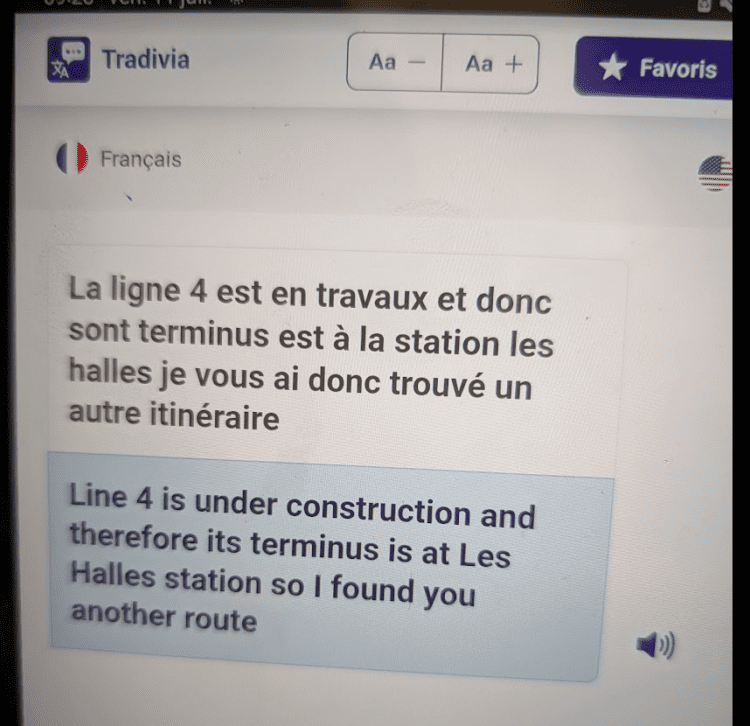
You can find all kinds of crash courses on the internet to help you learn basic phrases like greetings, how to order food, and asking for help. Google Translate is a huge help, although we’ve run into locals who can’t read their own language, so that can happen.
I practice and memorize key words and phrases such as:
- hello
- thank you
- excuse me — to interrupt someone, get their attention, moving through a crowd. My #1 phrase to learn!
- how much does…cost?
- how do I get to…?
- where can I find…?
- I need help!
- hospital
- police
- fire
- emergency
- “Thief!” — most locals don’t like thieves anymore than you do.
A few key words and phrases may make the difference between success and something less if an emergency arises.
Understanding a few key words and phrases will never be more critical than if a personal emergency or larger event happens while you are traveling in another country.
Understand Local Customs, Manners and Dress
I think it is important to understand the basic customs and manors of the people in the country I am visiting. Doing so can save you much difficulties and keep you out of potentially serious trouble.
In addition to customs and manors, I also take note of how people dress where I am headed and plan my travel wardrobe accordingly, within reason. I wear modest clothing to blend in, not stand out. I avoid dressing like a “tourist”, including excessive clothes and jewelry. Nothing speaks “easy target” to a thief, robber, or panhandler like lavish clothes and expensive or excessive jewelry.
On one trip to Denmark some years ago, I noticed that virtually everyone under the age of 30 or so was wearing a very long scarf wrapped multiple times around their necks. I liked the style and quickly bought one for myself as a way to not be quite so obvious as an American tourist.
If you want to really blend in, go to a local clothing store and buy one or two complete outfits, from shirt to pants to socks and shoes. Finish the look with a locally purchased backpack or shoulder bag, even if it’s branded with an American brand name.
I found the phrase “When in Rome do as the Romans do” never more applicable than when learning and understanding the customs, manners, and dress of the people in the country I am going to visit.
What to Do If War or Armed Conflict Breaks Out While You’re Abroad
My 18 year-old son was in Gaza for eight months in 2021 when an armed conflict with Israel broke out. He and his team at a tent hospital there spent entire days and nights in a concrete culvert. Me, his mom, was a nervous wreck back home!
The American team on the ground there were tuned in every day, 24 hours, to all local news and updates from the American Embassy and their own local, Israeli contacts. They knew beforehand what to expect, and this is key if you’re ever in a similar situation. Advance information gives you a margin of time to prepare to shelter in place or evacuate as quickly as possible.
Next, my son’s team had a safe place to stay. There was no quick or easy way out of Gaza and there was no underground shelter, but they had a large concrete culvert that provided protection. That was the best they could do.
If you’re in an area where local violence is breaking out or an all-out war, pay attention to safe locations around you. What buildings have designated shelters, basements, or other protected areas? Are there underground subways where you could esape to? Have at least two or three different locations in mind, along with whatever your local and American contacts tell you.
There in Gaza, and in the culvert, my son’s team had blankets, pillows, one guy had his guitar, along with bottles of water. When the rockets stopped for a time, my son would run out and grab snacks and other necessities as needed.
Have your own supplies packed in something portable that you can carry. A suitcase on wheels is handy, but that depends on where you are and the terrain. If you have medications, identification, money, and anything else you absolutely cannot afford to lose (including by theft), keep those on your person, under your clothing. It’s hard enough to get an emergency passport in safe times, much less in mass chaos with thousands of people scrambling to get out of the country.
Keep lines of communication open — even apps like TikTok, WhatsApp, Discord, and Signal can help provide up-to-date information and a way to contact people. When my son was in the middle of that crisis, our family was in constant contact with the relief organization here in the U.S. Every piece of information that he was okay brought a level of peace I can’t begin to describe.
In case you are able to evacuate, with Google Maps or similar, find multiple routes to the airport, train station, Embassy, or the designated location for pick-up. Expect mass confusion, crowds of Americans and local citizens alike trying to get out — I’m sure you’ve seen the scenes.
With your ID, money, and valuables on your person, you can pay more attention to staying together as a family. This isn’t the time to worry about holding on to a purse or suitcase. You want to be able to hold your children in your arms and grip the hands of your loved ones as tightly as possible. You may have to leave everything behind, thus the importance of having those necessities close to your body and hidden.
At that moment, your most valuable resource will be your American citizenship. Your U.S. passport will be priceless. Speaking English, looking like an American — those might be enough to get you aboard a plane or bus, but don’t count on it.
Because my son had local contacts both American and Israeli, when the conflict ended, they were quickly moved from Gaza and into Israel for a few days. The ability to move to a safer location immediately can be life-saving.
Evacuations: Don’t Wait to Be Rescued
When extreme cartel violence erupted across Mexico in February, 2026, most tourists were dumbfounded. Scared, they watched explosions and gunfire from their hotel rooftops, many frozen in disbelief. They didn’t have a plan and certainly no way to be rescued. In some cases, the hotels insisted they check out by 4 p.m!
In case of a war, a natural disaster, or oncoming violence, it’s not only wise but necessary to have a plan in place to get out while you can.
Don’t rely on the government but you should be registered with STEP, if only to get updated information. Next, know about any travel insurance you might have via your credit cards and travel insurance policy.
Be ready to move at a moment’s notice. Be ready to leave your luggage behind and have only the clothes on your back (layers of clothing to ensure you have at least another clean shirt, socks, etc.). Have your ID, cash, and other valuables in a neck pouch or stored directly on your person.
Use your phone’s apps to plan a route to safety, but check with trusted locals for road conditions and their own advice for getting out. American missionaries and relief workers will have their own local contacts and could be a good source of information at this point.
More than anything, ensure your family/friend unit stays together. Everyone should know the route, safe houses/locations (a church, an American hotel for example), and have a few basic supplies, such as a flashlight and water bottle. In case you get separated, have an agreed-upon meet-up location.
Know that you may have to walk long distances if taxis are unavailable and public transportation is unsafe or out of commission. Dress for the occasion from top to bottom — shoes, clothing suitable for the weather (consider chilly nights, unseasonable rainfall, etc.). Again, have a solid route in mind with a handful of safe stops along the way.
And, money. Cash money. Small pieces of gold jewelry. A bribe can go a long way for getting past a roadblock or otherwise ensuring safety along the way. A local driver who knows his/her way around and can drive aggressively — be prepared to pay that person very, very well when they get you to a safe location.
Your own evacuation will likely happen without the drama or need for bribes! But this information, think Plan B, Plan C, is good to keep in the back of your mind.
If You’re Abroad During a Crisis: A Step-by-Step Guide
- Step 1: Don’t Panic — Assess the Situation Your first job is to think clearly. Is the threat immediate and in your location, or is it regional? The media will always play up the most dramatic scenes. A conflict in one part of a country may not affect where you are. Check the U.S. Embassy website and your STEP alerts for official guidance before making any decisions.
- Step 2: Shelter In Place If The Threat Is Immediate If danger is close, stay where you are. Get away from windows, move to an interior room on a lower floor, and wait for the situation to settle. A hasty evacuation into an active conflict zone is often more dangerous than staying put.
- Step 3: Contact Your Emergency Contact at Home Your friends and loved ones are already worried. Let someone back in the U.S. know you are safe and where you are. Even a brief text message can prevent a panic and activate the right people on your behalf if communications later go down.
- Step 4: Check Your STEP Alerts If you registered before your trip, your embassy is already pushing information to you. Read every alert carefully. They will tell you what the embassy knows, what it recommends, and whether organized departure assistance is being arranged.
- Step 5: Contact the U.S. Embassy Locate the nearest U.S. embassy or consulate and make contact. If phone lines are overwhelmed, which they often are in a major crisis, check the embassy website for instructions. Many embassies set up online crisis intake forms during emergencies so they can track who needs help.
- Step 6: Gather Your Documents and Emergency Kit If departure becomes necessary, you need to move quickly. Have your passport, copies of all critical documents, medications, cash in local currency and U.S. dollars, a charged phone(!) with offline maps downloaded, and a small bag packed and ready to go. This is when a charged power bank for your electronics is priceless.
- Step 7: Identify Your Exit Options Sounds obvious, but if you’re at a hotel or resort, exit to the safest, local street, not out into the middle of a riot on Main Street! Don’t assume commercial flights will still be running. Know your alternatives: land routes, airports outside the conflict zone, ports or ferry terminals. Other English-speaking embassies and consulates might be able to help with information — Canada, UK, Australia, New Zealand.
- Step 8: Follow Official Instructions, But Don’t Wait Indefinitely If the embassy announces an organized evacuation, follow those instructions precisely — location, timing, and what to bring. But if no official evacuation is coming and conditions are deteriorating, be prepared to move on your own while routes are still open. The window for safe departure can close faster than government response times allow.
- Step 9: Stay Low-Profile While Moving Avoid drawing attention to yourself as an American. Dress modestly, limit jewelry, keep valuables out of sight, and move calmly and deliberately. Blend in as much as possible. If all the women are wearing a head covering, you wear one, too.
- Step 10: Get to Safety and Check In Once you reach a safe location, another city, a neighboring country, or home, notify your emergency contact immediately and inform the nearest U.S. embassy that you are safe. This removes you from the list of Americans still unaccounted for and frees up resources for those still in need.
Related International Travel Preparedness Content
- Cruise Ship Preparedness: How to Stay Safe at Sea
- The Ultimate Guide to Surviving Canceled Flights & Other Travel Challenges
- How Becoming a Prepared Expatriate Can Keep You Alive
- Pack a Handy Travel Medical Kit & Stay Healthy While Traveling
Frequently Asked Questions
The first thing is determine if you are safe at your current location. Hotels and resorts should have plans in place for natural disasters or an occasional outbreak of violence, such as the cartel violence in Mexico in early 2026. Contact the State Department’s website, check your text messages if you’ve registered with STEP, and observe what the locals are doing. If they’re going about their business with little apparent concern, that indicates the threat is probably not immediate.
Your text messages via STEP will keep you up to date, along with how to reach the Embassy, locate an evacuation stop (bus, airport, train, etc.), and get to the physical location of the Embassy. Be prepared to hire a taxi, Uber, or local driver (probably safest) or use public transportation. Know the address of the Embassy — have it saved on your phone.
Possibly. This depends on whether or not the State Department knows you’re in country and where your current location is. And, it depends on local conditions. In the middle of missile strikes? Probably not a chance. The official website says, “Do not expect to be evacuated by the U.S. government.” Even in the case of evacuations, priority goes to government employees and then to citizens. Even then, you aren’t guaranteed a seat.
This would be the natural assumption, but no, it’s not free. You might be asked to sign a document saying you’ll reimburse the government for the expense.What is the Smart Traveler Enrollment Program?This would be the natural assumption, but no, it’s not free. You might be asked to sign a document saying you’ll reimburse the government for the expense.
STEP is a free State Department service that lets Americans register their travel or overseas residence with the nearest U.S. embassy. You provide basic info, like where you are, how to reach you, and an emergency contact back home, and in return you receive real-time safety alerts from the embassy.
More importantly, STEP is how the government finds you in a crisis. When evacuation flights are organized, STEP registration is how the State Department builds its passenger list. If you’re not in the system, you may be overlooked entirely.
Want More Useful Information Like This?
Final Thoughts
Emergencies abroad don’t announce themselves. A relaxing cruise, a mission trip, a semester of study, a business conference, a long-awaited family vacation — any of these can turn into a crisis with little warning, as thousands of Americans have discovered when conflicts erupted, borders closed, or natural disasters struck with no notice.
The good news is that a small amount of preparation goes a long way. Register with STEP. Know where your embassy is. Keep your documents in order. Have a plan that doesn’t depend on someone coming to rescue you.
The travelers who fare best in a foreign crisis aren’t the ones who got lucky. They’re the ones who thought ahead.
One other recommendation, particularly if traveling to Asian countries, is to visit a restaurant of that culture in the U.S. and get a takeout menu, best if with pictures, but at the least with the local language descriptions of the dishes next to an English translation. If the local language is in glyphs (Chinese, Japanese, Korean) even better, as many locals cannot read Roman alphabets. Then, if you are in a restaurant whose menu you can’t translate, you can refer to your menu, or at the least, point to the picture of a dish and ask “Yes?” in the local language with a smile – this will usually get you something recognizable to eat.
Similarly, even if you are in the most developed cities of the Asian world, ALWAYS get a business card of your hotel with the name and address of the hotel in the local language glyphs, as many taxi drivers cannot read anything else and this may help get you home.
Finally, even in establishments that openly display the credit card logos, do NOT expect them all to honor them, as at a whim they will simply start emphatically shaking their heads no at bill time demanding cash. So always have at least the price of meals and transportation in local currency on your person.
What about a list of some things that you take with you on every trips? Freeze dried food, lifestraw, etc. That would be super helpful.
I took a trip to Kenya last spring. I wish I had seen this article first. However, I did most of the stuff on this list anyway.
Hank,
Thanks for these great additional recommendations and suggestions. Much appreciated!
Hi Jess,
I would have in this article, but it was getting a bit long. I will be getting into the equipment I use in future posts. If you want to know about a particular piece of gear, let me know…
Bob,
Thank you for the compliment. Was there anything new or different from the preps in my article that you did getting ready to travel in Kenya?
Most of the other preps I made were common sense medical. This was a missions trip. We spent some time in bush churches. My favorite was among the Massai tribe. The biggest fear was getting sick. We ate goat meat boiled in water that they found who knows where a dozen miles from anything resembling civilization. I had the immunizations, etc. and my doctor gave me an antibiotic to take with me. I also took with me everything over the counter I could think of–Tylenol, ibuprophen, Benadryl, Pepto Bismol, Immodium, etc.
We stayed in a motel on the outskirts on Nairobi. This was an area that would resemble slums to us, but was nice compared to the Mathare slum where we spent the bulk of our time. Our room was on the top floor which had a security benefit.
While normal EDC for me, the other prep I took was a tactical grade flashlight. On a few occasions it came in extremely handy. A couple of evenings we had church services in the slum. The stairs in the building were not well lit. The Kenyans used their phones to light the stairs. I pulled out the Jetbeam flashlight which provided safer walking conditions. Additionally a couple motels were not well lit in the corridors. The flashlight came in handy. The final morning we left the motel before dawn. We saw someone in the parking lot. The light identified him as the nightwatchman and likely ruined his night vision for awhile.
We took plenty of cash as well. We took $1,000 of our church’s money and I took $300 cash on my own, not to mention major credit cards (call them in advance so they don’t reject a legitimate charge). While we never used American cash to get out of trouble, our hosts used Kenyan currency to get us out of a pretty frightening situation.
One of my biggest prep items was taking my iPad. I got a Kenyan SIM card and amazingly had cell service literally everywhere. Think Massai tribesmen in the shadow of Mt. Kilimanjaro on a dirt walking path yet with a strong cell signal. I have the pictures to prove it! FaceTime was a lifeline to the family back home.
I forgot insect repellent. We used the vitamin arm patches and never got bit.
Great tips for us travelers.
My tip would be to add these to your traveler’s vocabulary — they are useful in a variety of situations and have helped me when traveling on my own, or with newbie travelers.
Social phrases:
Good morning/good day /Excuse me (i start every foreign language interaction with one of these to set a polite tone — don’t want to be the stereotypical “demanding American”)
I’m sorry (apologize for bumping into someone, or other social blunder)
Left / right / straight ahead (so you will understand directions you’re given)
open / closed and push / pull (handy for navigating in cities)
Yes / No (and the gestures associated with these)
Go away.