


When the power goes out in winter, the safest plan is to pick one room, seal it up, and keep your bodies warm with layers, blankets and hot food, not to try heating the whole house. This post covers 30 ways to do that, from blanket forts and window coverings to indoor-safe heaters and warming centers, plus the carbon monoxide mistakes that send people to the ER during every winter outage.
A power outage is inconvenient any time of year. In winter, it can become dangerous fast.
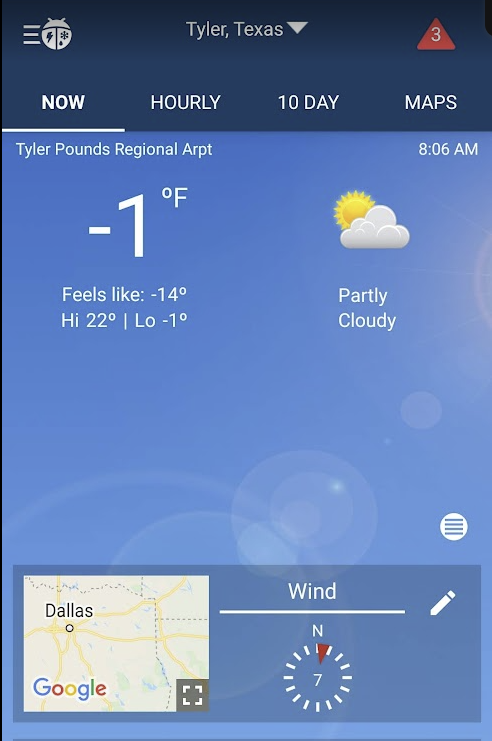
During the February 2021 Texas freeze, North Texas spent 139 hours below freezing. That’s almost six days. Like millions of Texans, we lost power, and the house got colder by the hour. My stockpile of blankets suddenly became the most valuable thing we owned, and we ended up closing off the rest of the house and living in one room. Even then, we had a pipe burst.
Some of the links in this post may contain affiliate links for your convenience. As an Amazon Associate, I may earn a small commission from qualifying purchases without any increase in price to you.
In This Post
- Safety First: Read This Before You Do Anything Else
- Keep One Room Warm
- Want More Useful Info From Survival Mom?
- Keep Your Body Warm
- Cook, Power Up, or Get Out
- While You’re At It, Protect Your Pipes
- Get My Complete Checklist For Cold-Weather Prep
- Frequently Asked Questions
- Related Power Outage Content
- Get Your FREE Family Power Outage Survival Handbook!
- The Final Word
During those freezing days and nights, we tried just about everything to stay warm from wearing multiple layers of clothing from long Johns to two pairs of heavy wool socks, wool caps we bought in Iceland, and our overcoats.
At one point, we were freezing but also hungry. We drove to our favorite Italian restaurant where we, and a few dozen other hardy souls, ate our meals completely bundled up!
Here’s what I learned after huddling under piles of blankets and loading my fireplace with a few dozen logs, just to stay warm.
This article was updated in October, 2026.
Safety First: Read This Before You Do Anything Else
I have personally experienced mild carbon monoxide poisoning on two occasions, and that weird-headache feeling is something you never forget.
Every winter storm, people are hurt or killed by carbon monoxide (CO) while trying to stay warm. You can’t see or smell it, and if you don’t have a CO detector in your home (one with working batteries), you could discover too late that your home is filled with these fumes.
These safety rules come straight from the CDC:
- Install a carbon monoxide detector with a battery backup on every level of your home, and test it before winter. Hard-wired detectors are best, but even a few plug-in types work well.
- Never use a generator, grill, camp stove or charcoal inside your home, garage or carport. Run generators outdoors, at least 20 feet from doors, windows and vents. One time we placed our generator too close to our opened (connected) garage, and before we knew it, the fumes had entered the garage and then into our home’s attic.
- Never use a gas stove or oven to heat your home. It’s fine to boil water or cook a meal, but don’t leave the oven open for warmth for more than a few minutes.
- Never run your car in an attached garage, even with the garage door open.
- Only use heaters rated for indoor use, and follow the manufacturer’s instructions.
If anyone gets a headache, dizziness, nausea or feels confused, get everyone outside into fresh air, open every door and window, and call 911.
Keep One Room Warm
Trying to heat a whole house without power is a losing battle. Pick one room, ideally a small one on the south side with few windows and a bathroom nearby, and put all your effort there.
- Close off the warmest room. Shut the doors to every other room and live, eat and sleep in that one space. Here’s how to live in just one room when the heat’s out.
- Set up a tent inside it. A small camping tent traps body heat surprisingly well. No tent? Drape blankets over a table and make a blanket fort. Kids think it’s an adventure.
- Hang heavy blankets over windows and exterior doors, especially sliding glass doors.
- Cover windows with bubble wrap. Spray a little water on the glass, press the bubble side against it, and it sticks. It’s an inexpensive insulator.
- Block drafts under doors. Cut the legs off an old pair of tights, stuff them with socks, and lay them along the bottom of any door with cold air coming through. Rolled towels work too.
- Cover bare floors. Uninsulated tile, vinyl and hardwood floors pull heat away. Throw rugs, blankets or even towels help, but be careful of tripping.
- Let the sun in, then shut it out. Open curtains on sunny windows during the day, and close them as soon as the sun goes down.
- Go upstairs, if it’s well insulated. Heat rises, so a second-floor room may stay a few degrees warmer.
- Use an indoor-safe propane heater. A heater rated for indoor use, like the Mr. Heater Big Buddy, has an oxygen depletion sensor and an automatic shut-off if it tips over. Keep it away from bedding and curtains, and always run a CO detector in the same room.
- Use your fireplace or wood stove carefully. Keep a steady fire going day and night if you have one. If you can’t use your fireplace, close the damper tightly so warm air doesn’t escape up the chimney.
Want More Useful Info From Survival Mom?
Keep Your Body Warm
It’s been said that a human can survive just about any environment if they’re dressed for it, and I believe it. But even a closed-off room will get cold in a long outage so your next line of defense is your own body heat.
- Wear layers, starting with long underwear but avoid cotton long john and opt for silk or a manmade thermal fabric instead. Several thin layers trap more heat than one bulky sweater. Here’s what I wore in layers when we camped in Iceland.
- Wear fleece-lined pants or tights. It’s amazing how much this one change helps. These are the pants I own and love.
- Wear a wool cap and wool socks day and night. Sleep in the hat, too. I love wool ONDO socks because they’re a very thin layer of wool that keeps my feet warm enough on the average cold day but then can easily be layered with something thicker when needed.
- Keep your feet off bare floors. Wear socks and shoes in the house, and put a rug or blanket under your feet when you sit.
- Wrap up in blankets you can move in. Pin a fleece blanket around your waist or shoulders, or wear a blanket scarf, so you can stay wrapped while you get things done. Here’s why it’s smart to stockpile blankets.
- Use your warmest sleeping bag, in bed or on the couch. A bag rated for cold weather will keep you far warmer than sheets and a comforter.
- Keep hand and foot warmers handy in pockets, gloves and shoes. Here are more ways to keep hands and feet warm.
- Fill a hot water bottle. Heat water on a gas range or camp stove (camp stoves outdoors only), fill the bottle, and tuck it into bed or your lap. (If you have a gas range, learn how to light the pilot light.)
- Warm bricks in the fireplace, then remove them with tongs, wrap them in towels, and use them to warm beds. Use bricks, not rocks from the yard or a creek, which can crack or burst when heated.
- Share body heat. Pile into one bed, and let the cats and dogs join you.
- Carry babies and toddlers in a sling or soft carrier so they share your warmth.
- Move around a little. A short workout or a few minutes of chores warms you up. Stop before you sweat, though, because damp clothes pull heat away from your body.
- Change out of damp clothes right away, including socks.
- Drink something hot and eat real food. Soup, stew, oatmeal and hot cocoa warm you from the inside.
- Eat enough. Your body burns calories to stay warm, so keep snacks close by, especially for kids and older family members.
Cook, Power Up, or Get Out
- Have at least two ways to cook without power. A gas range, a wood stove, or an outdoor camp stove or grill can heat water and make a hot meal. Never bring a grill or camp stove indoors to cook or warm up. Here are more off-grid cooking methods.
- Keep a backup power source for small things. A portable power station or solar generator can run phones, lights and low-watt items like an electric blanket or heating pad. Check the wattage first. A regular 1,500-watt space heater will drain most of them very quickly. Survival Mom has tested and uses these solar generators from 4Patriots.
- If you have a gas generator, run it outside only, at least 20 feet from doors, windows and vents, and run extension cords inside. Don’t have one and need some tips for buying? I have those for you here.
- Warm up in your car, but only outdoors. Park in the open, never in a garage, and make sure snow isn’t blocking the tailpipe. It’s a good time to charge phones, too. Don’t sleep in a running car.
- Know when to leave. Check with your city or county about warming centers, or go stay with friends or family whose power is on. If the house drops below a safe temperature and you have babies, older relatives or anyone medically fragile at home, don’t wait. Keep a family emergency communication plan so everyone knows where you’ll be.
A word about Buddy Burners and Altoids-tin alcohol stoves: they’re great for light, cooking and emergency kits, but they’re open flames that give off carbon monoxide. Don’t use them as indoor heaters.
While You’re At It, Protect Your Pipes
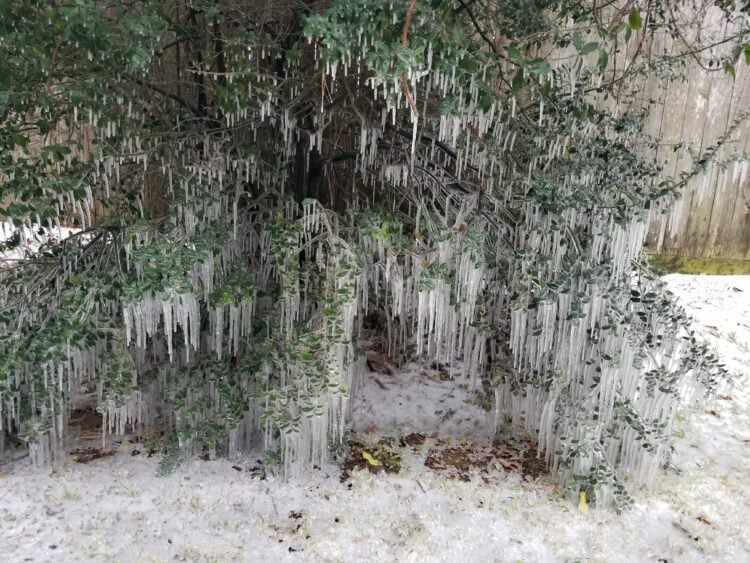
We learned this one the hard way in 2021. A burst pipe means water damage on top of everything else, and that can create a nightmare of dealing with insurance companies and sub-contractors as well as days and weeks in a hotel.
- Wrap exposed pipes with foam pipe insulation, pipe sleeves, towels or rags, especially in attics, crawl spaces, basements, garages, and near exterior walls. The pipe that burst in our home was in an uninsulated area of the attic. Heat cables help only while you have power.
- Open cabinet doors under sinks so warmer room air reaches the pipes.
- Winterize outdoor faucets and hoses. Disconnect garden hoses (a leading cause of bursts, even with frost-free spigots). Shut off the indoor supply valve to outdoor hose bibs, drain the line, leave the outdoor faucet open so remaining water can expand, and cover it with a foam or fabric insulator.
- Let vulnerable faucets (especially those on exterior walls) drip at a slow trickle, about the width of a pencil lead. This keeps water moving and, more importantly, relieves pressure. Run both hot and cold or a single-handle faucet in the middle.
- Know where your main water shut-off is, and how to turn it off, before you need it.
- Have a wet-vac on hand, just in case. Between my husband’s fast action of turning off our water and then quickly vacuuming up water on our floors, it saved furniture, books, and a lot more from water damage.
Get My Complete Checklist For Cold-Weather Prep
Frequently Asked Questions
According to the CDC, warning signs in adults include shivering, exhaustion, confusion, fumbling hands, memory loss, slurred speech and drowsiness. Babies may have bright red, cold skin and very low energy. If you see these signs, get the person somewhere warm, remove any wet clothing, warm the center of the body first and get medical help. A temperature below 95°F is an emergency.
If using candles or other open flames for heat during a power outage is your only option, it’s crucial to exercise caution and follow safety guidelines to prevent accidents or fires. Place candles on stable surfaces away from flammable materials, and never leave them unattended. Consider using candle lanterns or enclosed candle holders to minimize fire risks. Keep a fire extinguisher nearby and ensure that battery-operated smoke alarms are in working condition. Ideally, this would be a last resort.
Learn about how to create a family emergency communications plan that loved ones would follow in the event of an emergency or disaster.
It depends on how well your home is insulated, how cold it is outside, and how many windows and drafts you have. A tight, well-insulated house might hold its heat for a day or more, while an older or drafty home can feel cold within hours. That’s why it’s smart to start sealing off one room as soon as the power goes out, not after the house is already cold.
No. It can fill your home with carbon monoxide. Use your gas range to cook and boil water, then turn it off.
Not really. Candles give off very little heat and cause a lot of house fires during outages. Use battery-powered lanterns and flashlights for light instead, and if you do light a candle, never leave it unattended.
Most of the tips above work in an apartment, especially picking one room, covering windows, blocking drafts and dressing in layers. Skip anything that burns fuel unless it’s rated for indoor use and you have a working CO detector.
Related Power Outage Content
- How to Keep Your Hands and Feet Warm in Cold Weather
- Do More Than ‘Fall Back’! Get Prepped for Winter!
- How to Keep Your House Warm Without Heat: The One-Room Strategy
- 10 Survival Reasons to Stockpile Blankets
- How to Dress for Iceland (or Any Cold Weather Trip): What I Learned the Hard Way
Get Your FREE Family Power Outage Survival Handbook!
The Final Word
When the power finally came back on after the 2021 freeze, I made a list of everything I wished I’d had ready before the storm hit. Most of it was simple — more firewood, keep our sleeping bags indoors, know how to light the pilot light on the gas range, and double-check our CO detectors for battery levels.
Winter outages are coming again, somewhere, this year. Pick the room your family will use, gather the blankets and warm clothes in one place, and make sure your heat and cooking plan is a safe one. You’ll be glad you did it while the lights were still on.
This is great! 2 comments
A woman and her child just died from carbon monoxide trying to warm up in their car so be careful of this one.
The power company said not to use fireplace and close the flew because what heat you have will be drafted out. However, if you have NO heat this is ridiculous. Also, we have glass doors on ours if necessary. Plus, what did people due for ALL of history for crying out loud!
That’s a good clarification on the car and heat. I’m in Texas during this near-apocalyptic winter weather and information/advice from the authorities hasn’t been all that good.
Thank you for your information. I am in the DFW area and just coming off of 56 hours without power during this record breaking winter weather. Your blog and others have inspired me and a tent was one of the first things I set up when we woke up Monday to no power. I have really learned a lot this last emergency and will continue to use your blog as inspiration to be better prepared.
I’m so glad you found me, Amy! I live NE of Houston, and we dealt with those same temps, along with water and power outages. We didn’t get the same amount of snow that you did, though.
Right now, start buying up wool sweaters, blankets, scarves, etc. Wool is a very good insulator to keep you warm. If your budget is small, check out the thrift stores. They often have these items. Flannel is also an excellent fabric to wear next to your skin. It’s soft and retains heat well. But be sure to dress in layers.
Warm up with teas, soups, etc. Not only will they warm you up from the inside, they will provide the hydration you need.
Have lots of oil lamps. They provide light and also add a bit of heat to a room. Just be careful and keep them away from children and pets.
As far a bedding, flannel is a must for cold climates.
Survival Mom, the link you gave for heat tape showed an electric heat tape that needs electricity to work. I use the foam which is slit on one side to slip over the pipe then wrap it with tape. It keeps my outdoor pipes from freezing and is no tech solution.
We used the tent idea in our living room and found that the body heat of several people made it toasty warm. no candles allowed in the tent, battery lanterns only.
I was doing some light reading tonight and after reading some of the comments I thought I’d share a bit of knowledge I came across this year. It really came at the best time too, but the good Lord is always on time. You take a large can of Crisco, a wick from an oil lamp and a ceramic bowl.
Place/push wick into the center i of the Crisco and then light. It will burn for approximately 76 hours straight. You can put a ceramic bowl over it and it will produce some heat. This is a very thrifty and cost efficient way to have light as well as a small amount of heat. Gotta love that old timer knowledge.
Arrange 4 prayer candles in square..east south north west…put chicken noodle(or water) in a small pan….place pan over lit candle(I used a 3″ candle from walmart)in center of prayer candles….
note: place inside box or other to prevent candle wax or other spills
Time to heat soup?? 25 minutes for edible..more for really hot soup.
More candles/more flame/faster heat but need bigger pan..
Good information. Thank you for sharing.
I use “Real Flame” gel fuel. They are on Amazon. Ventless. I just put it in a big stock pot and place in an area that is cleared as you do the candles. Set the pot on bricks or empty cans to keep pot off floor/ table. Lasts about 2.5-3 hours. No fumes or smoke. If the room is big, use 2 cans. My room I use is 12×12 feet. These have saved my pets and me several times during blackouts from weather. I order them at different times thruout the year. I use several candles in my big pot, too. I use a wire baking rack on top of pot to heat or Cook food. I use a can of water or pot to get moisture in the air. This holds heat in the area longer. It’s an amazing hack. Hope this helps. Stay warm 🙂
Great tips, Mona. Thanks for sharing!
I am in the frigid north and was stunned at the price to fill my propane tank 2 months ago. I worry about not being able to afford my next fill. So I made some interior storm windows using 1 x 2’s and acrylic sheets (very expensive!). Tried covering the 1 x 2’s with the cheap window film, and that works just as well. I leave a 1″ air gap between window and storm. Then I used an electric knife to cut out a piece to fit in the window from a 2″ foam board. I have enough room to leave another 1″ air gap between the storm and the foam board insert. I sewed a cover from an old sheet to cover it. I sewed loops of fabric at the bottom so I could easily pull out the insert. Around the 2″ sides, I make an extra pinch of fabric sewn in, to better fill any small air gaps. If you are a sewer, it’s kind of a crude piping. This helps an incredible amount to keep a house warm. This might be helpful to prepare for a room you are going to use as a ‘shelter-in-place” room during a power outage. I use the inserts every night when it’s cold and take them out during the daylight hours.
I bought my first solar panel kit and battery this summer (plus a hand truck to make it more portable). Next step is to research how big an inverter I would need to keep my (gas) stove’s oven running when power is down. It has an electronic display, and therefore needs some electricity to run. Ugh – wish I had made a better choice there, but selection was limited at the time of purchase. My plan is to wheel over the battery and inverter (on the hand truck), plug the oven into the inverter, and use the oven occasionally.
Good information. Thanks for sharing
If you use bubble wrap on your windows, remove it at the first hint of spring. Condensation on your windows will create black mold.
I prefer to use an emergency blanket taped near, but not on, the glass. Follow with sheet styrofoam and top it off with either sheet polyurethane taped down with duct tape or storebought plastic storm window kits. You may use roller shades and insulating curtains over this if you have them.
This will keep your home cooler in summer and cut air conditioning costs as well.